


5 Signs Your Control System Needs Upgrading

Many industrial facilities continue operating with ageing control systems long after they should have been reviewed or upgraded.
In many cases, these systems still “work” - but hidden reliability issues, obsolete components and increasing maintenance demands can quietly create significant operational risk.
The challenge is that control systems rarely fail all at once. Problems usually develop gradually over time, often becoming normalised within day-to-day operations until a major failure or costly downtime event occurs.
Recognising the warning signs early can help businesses plan upgrades more effectively, reduce disruption and improve long-term reliability.
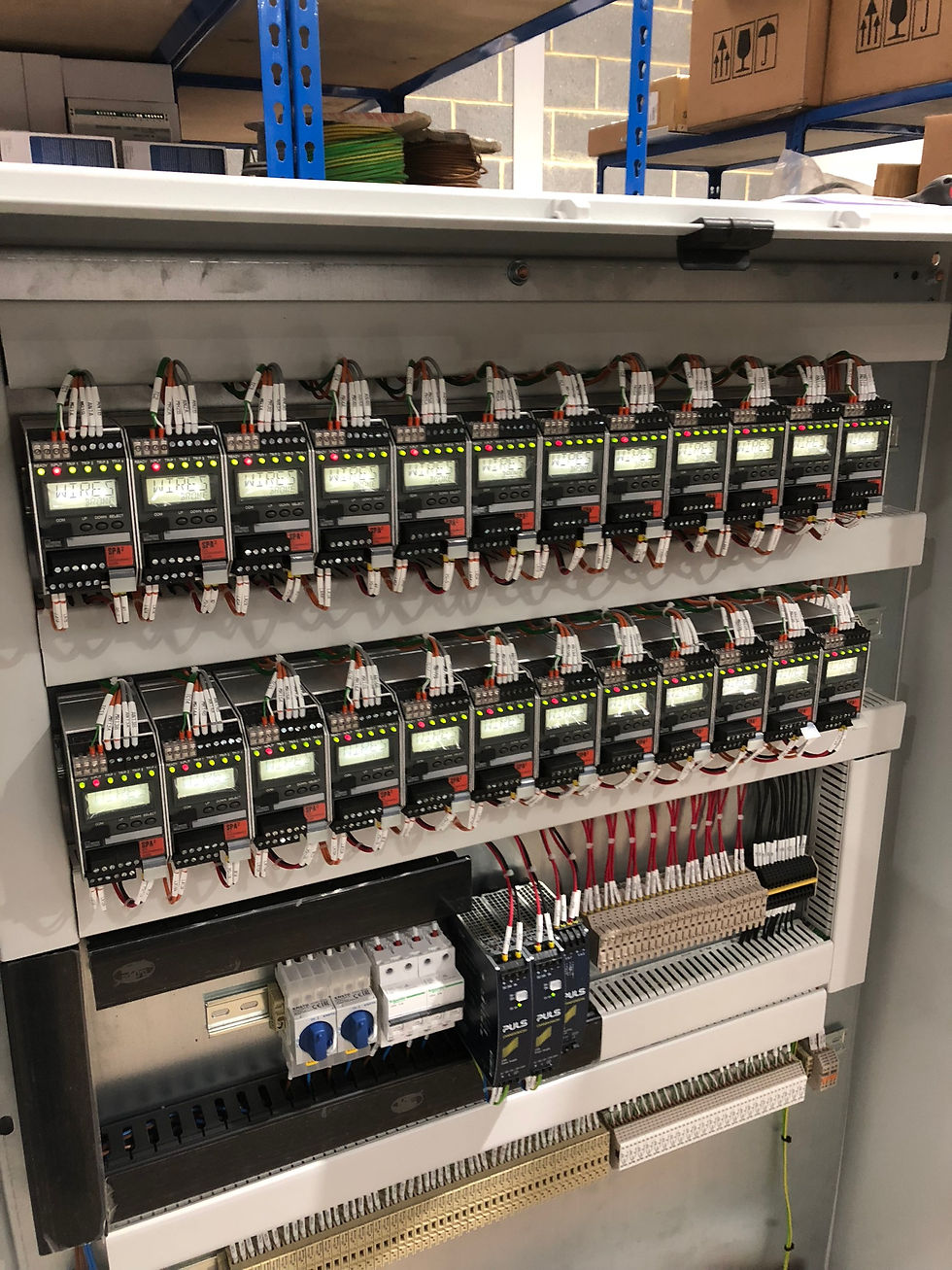
Old control system New control system
1. Increasing Downtime and Reliability Issues
One of the clearest signs a control system may require upgrading is increasing unplanned downtime.
This could include:
unexpected stoppages
intermittent faults
communication issues
nuisance trips
inconsistent machine behaviour
systems requiring frequent resets
Older systems often become less reliable over time due to component wear, outdated hardware and degraded electrical infrastructure.
In many facilities, maintenance teams end up spending more time reacting to issues rather than preventing them.
Even relatively small interruptions can have a significant impact on:
production output
maintenance costs
operator efficiency
delivery schedules
A modernised control system can improve reliability while also providing better visibility into faults and system performance.
2. Obsolete or Difficult-to-Source Components
Component obsolescence is one of the most common issues with legacy automation systems.
Many older PLCs, HMIs, drives and control components are:
no longer manufactured
difficult to source
increasingly expensive
unsupported by manufacturers
This creates major risk when failures occur.
In some cases, a single failed component can result in extended downtime simply because replacement parts are unavailable.
Businesses often continue relying on:
second-hand components
repaired legacy hardware
temporary fixes
While this may work short term, it becomes increasingly unsustainable and risky over time.
Planning upgrades before critical failures occur allows businesses to:
reduce operational risk
avoid emergency shutdowns
improve future supportability
standardise systems more effectively
3. Fault Finding Takes Too Long
Older control systems frequently lack the diagnostics and visibility available in modern automation systems.
This can make troubleshooting slow and difficult.
Maintenance teams may struggle with:
limited alarm information
outdated interfaces
poor documentation
hardwired logic complexity
inconsistent modifications over time
As systems evolve over many years, undocumented changes and temporary repairs can make fault finding increasingly challenging.
The result is often:
longer downtime events
slower maintenance response
increased pressure on engineering teams
repeated recurring faults
Modern control systems can significantly improve diagnostics through:
clearer alarm handling
better monitoring
remote access capability
improved system visibility
integrated data collection
This allows faults to be identified and resolved far more efficiently.
4. The System Cannot Support Future Expansion
Many older control systems were never designed to handle today’s operational requirements.
As businesses grow or processes change, legacy systems can become restrictive.
Common issues include:
lack of spare I/O capacity
limited communication capability
incompatible hardware
poor integration options
inability to support modern monitoring systems
This can make even relatively small upgrades unnecessarily difficult and expensive.
Modernisation allows businesses to future-proof operations by creating systems that are:
scalable
easier to integrate
more flexible
easier to maintain
This becomes increasingly important as facilities adopt:
smarter automation
energy monitoring
remote diagnostics
data-driven maintenance strategies
5. Maintenance Costs Continue to Rise
Aging systems often create a cycle of reactive maintenance.
Over time, businesses may notice:
increasing callouts
recurring faults
rising spare part costs
more temporary repairs
increasing engineering hours
Although upgrading a control system can appear like a significant investment initially, continuing to maintain unreliable legacy systems can become more costly in the long term.
In many cases, businesses are effectively paying repeatedly to keep outdated infrastructure operational.
A planned upgrade strategy can help reduce:
maintenance burden
downtime costs
operational risk
emergency repair costs
while improving overall system performance and reliability.
The Benefits of a Planned Upgrade
Upgrading a control system is not simply about replacing old hardware.
A well-planned modernisation project can improve:
system reliability
operational efficiency
diagnostics
maintenance access
safety
scalability
long-term supportability
Importantly, planned upgrades also allow businesses to minimise disruption by scheduling work strategically rather than reacting to unexpected failures.
Planning Ahead Reduces Risk
Many facilities continue operating legacy systems successfully for years - but the risks associated with ageing controls increase over time.
Identifying issues early allows businesses to:
plan budgets more effectively
reduce operational disruption
improve reliability
avoid emergency failures
future-proof operations
At PSL, we work with businesses to review existing control systems, identify potential risks and deliver upgrade solutions tailored to operational requirements.
If you are experiencing reliability issues, increasing maintenance demands or concerns around obsolete equipment, our team can help assess the best path forward.
Get in touch today - hello@pslcontrols.co.uk


This text offers a complete and well-organised overview of the topic. The explanations are accompanied by practical examples that aid understanding. I have already reread some sections to explore certain aspects better. It is a text that remains useful even after the first reading.