


What Is Trace Heating and Why Is It Essential for Industrial Processes?

When people think about industrial control systems, they often focus on the control panel itself. However, many processes rely on other critical systems working alongside the controls to ensure everything operates safely and efficiently.
One of these is trace heating.
Whether it's keeping bitumen flowing, preventing pipes from freezing or maintaining the temperature of sensitive products, trace heating plays an essential role across a wide range of industries.

What Is Trace Heating?
Trace heating is a system of electrical heating cables installed along pipework, tanks or vessels to maintain a required temperature.
Rather than heating a process from scratch, trace heating works by replacing the heat naturally lost through the pipe or vessel. This helps keep products at a consistent temperature and prevents issues caused by cooling.
Why Is Trace Heating Important?
Many industrial products change their properties as they cool.
Liquids can become more viscous, making them harder to pump, while some products may even solidify if temperatures drop too low.
By maintaining a stable temperature, trace heating helps ensure that products continue to flow as intended, reducing the risk of blockages and production delays.
Common Applications
Trace heating is used across a wide range of industries, including:
Bitumen storage and transfer systems
Chemical processing
Food and beverage manufacturing
Water treatment facilities
Oil and gas installations
Industrial pumping stations
Each application has different temperature requirements, making careful design and control essential.
Working Alongside Control Systems
A trace heating system doesn't operate in isolation.
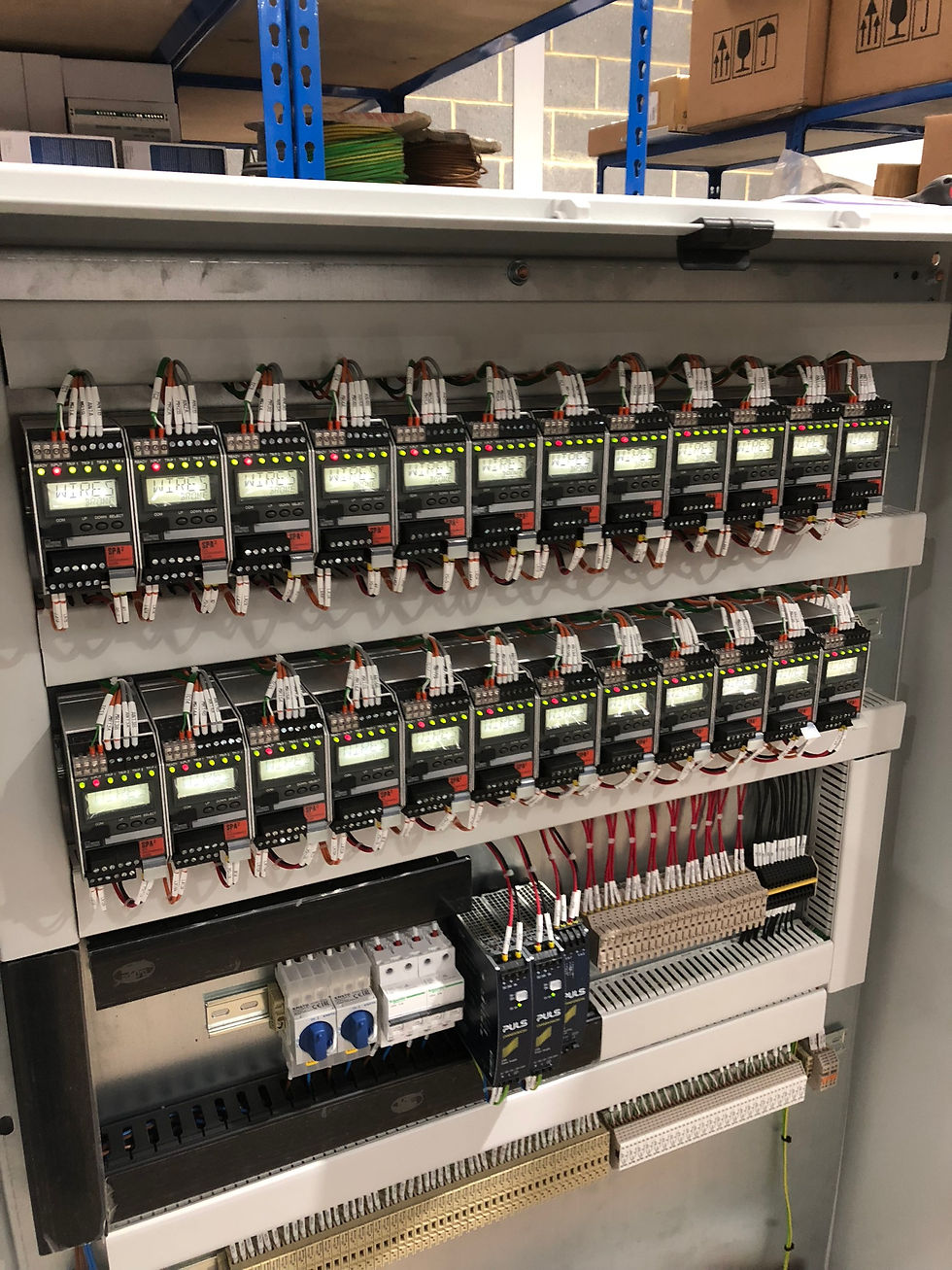
Control panels are responsible for monitoring temperatures, controlling heating circuits and providing operators with clear information about system performance.
By integrating trace heating with a bespoke control panel, businesses can improve efficiency, reduce energy consumption and maintain greater control over their processes.
The Benefits of Trace Heating
When correctly designed and installed, trace heating offers several advantages:
Maintains consistent process temperatures
Prevents products from cooling or solidifying
Protects pipework from freezing
Improves process reliability
Reduces the risk of costly downtime
Supports safe and efficient operation


Every Process Is Different
No two industrial applications are exactly the same.
The heating requirements for a bitumen pumping station are very different from those of a water treatment plant or chemical process. That's why trace heating systems should always be designed around the specific process and operating conditions.
How PSL Controls Can Help
At PSL Controls, we design and manufacture bespoke control systems that integrate seamlessly with trace heating installations.
Whether it's controlling heating circuits, monitoring temperatures or managing complex industrial processes, our solutions are tailored to meet each customer's individual requirements.
By combining intelligent control with robust engineering, we help businesses keep critical processes running safely, efficiently and reliably.



Comments